
Pattern loss,
met with proven care.
Androgenetic alopecia shrinks follicles over time, leading to thinning hair and eventual baldness. The earlier we intervene, the more density we can protect and restore.
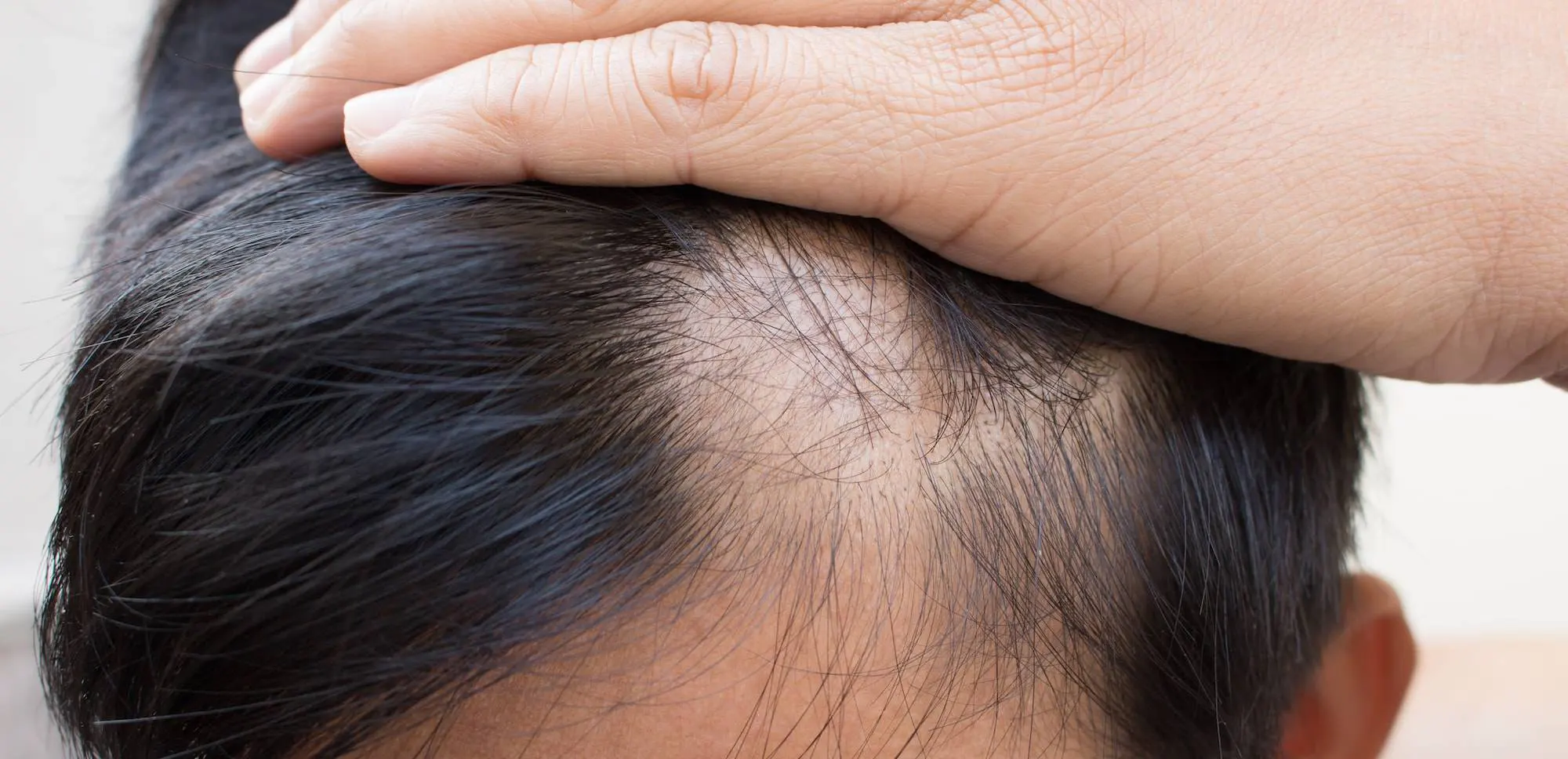

The most common hair loss — and one we can act on early.
Androgenetic alopecia — male and female pattern hair loss — is the most common cause of thinning. Genetically sensitive follicles react to the hormone DHT by shrinking with each cycle, producing finer hair until they stop.
At Aliva Aesthetics, the message is simple: act early. Once follicles are lost they can't be revived without transplantation — but caught in time, pattern loss can be slowed, stabilised, and often visibly improved.
Why follicles shrink.
Pattern loss is driven by genetics and hormones, with other factors accelerating it. We assess all of them.
Genetic Sensitivity
Inherited follicle sensitivity to DHT is the core cause — it can come from either side of the family.
DHT & Hormones
DHT, a derivative of testosterone, progressively miniaturises sensitive follicles.
Age & Progression
Pattern loss is progressive — it tends to advance gradually with age if untreated.
Family History
A strong family history of baldness raises both the likelihood and the speed of loss.
Stress & Lifestyle
Stress, smoking, and poor nutrition can accelerate the rate of genetically driven loss.
Coexisting Deficiencies
Iron or vitamin D deficiency can worsen thinning on top of the genetic pattern.
Recognising the pattern.
Pattern loss follows recognisable stages and shapes. Identifying yours guides treatment and expectations.

Receding Hairline
Thinning at the temples forming an M-shape — often the first sign in men.
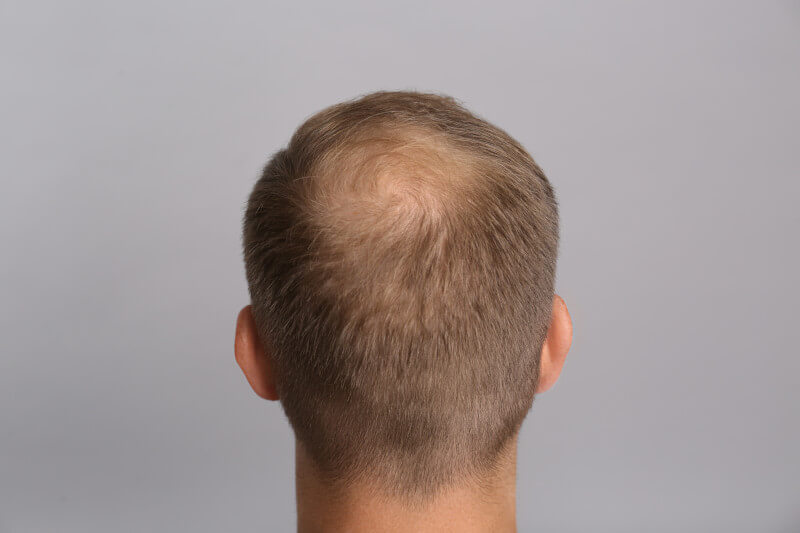
Crown Balding
A thinning or bald spot at the vertex that gradually widens.
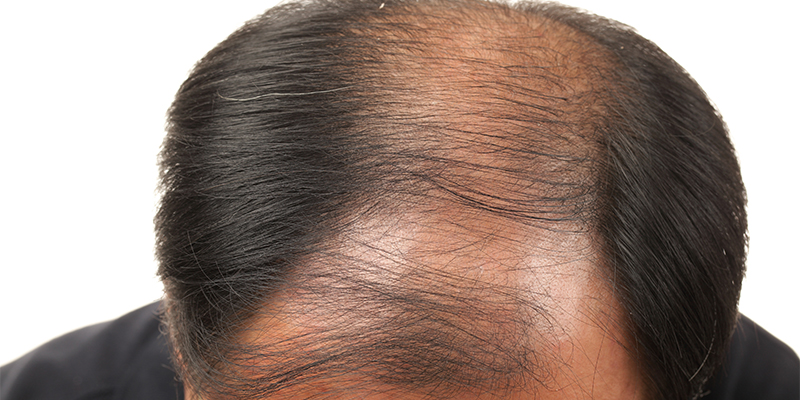
Advanced Pattern
Hairline and crown loss merging, leaving hair at the sides and back.
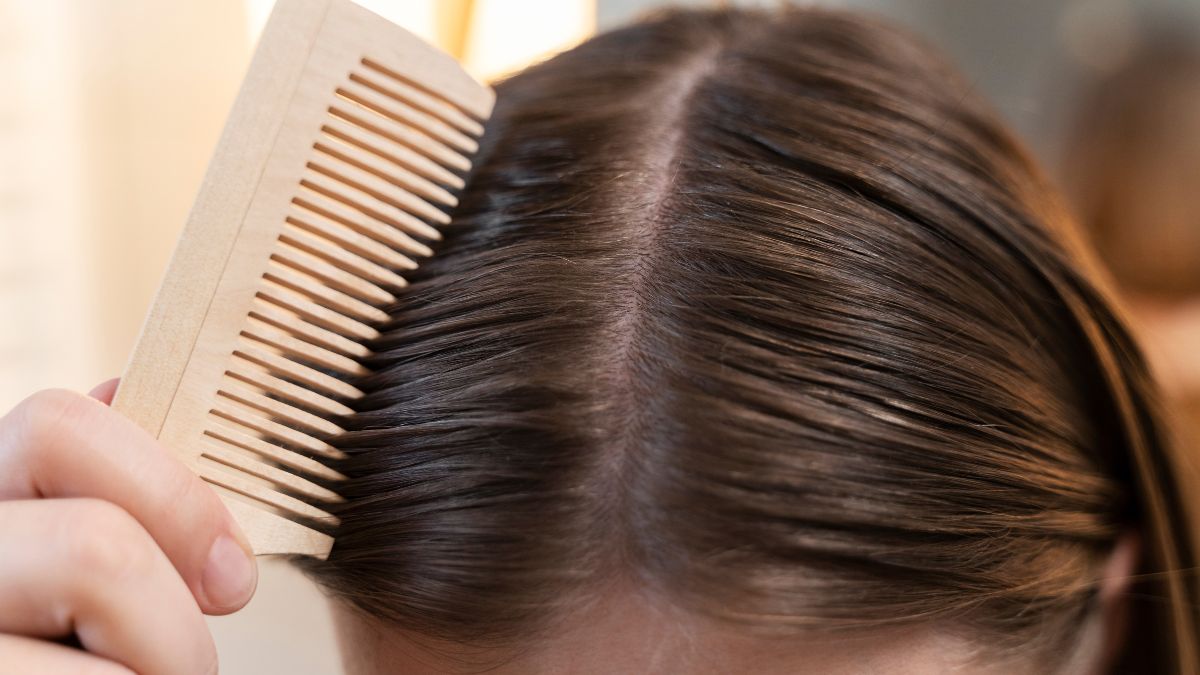
Widening Part
Thinning along the part-line with preserved frontal hairline — the typical female pattern.
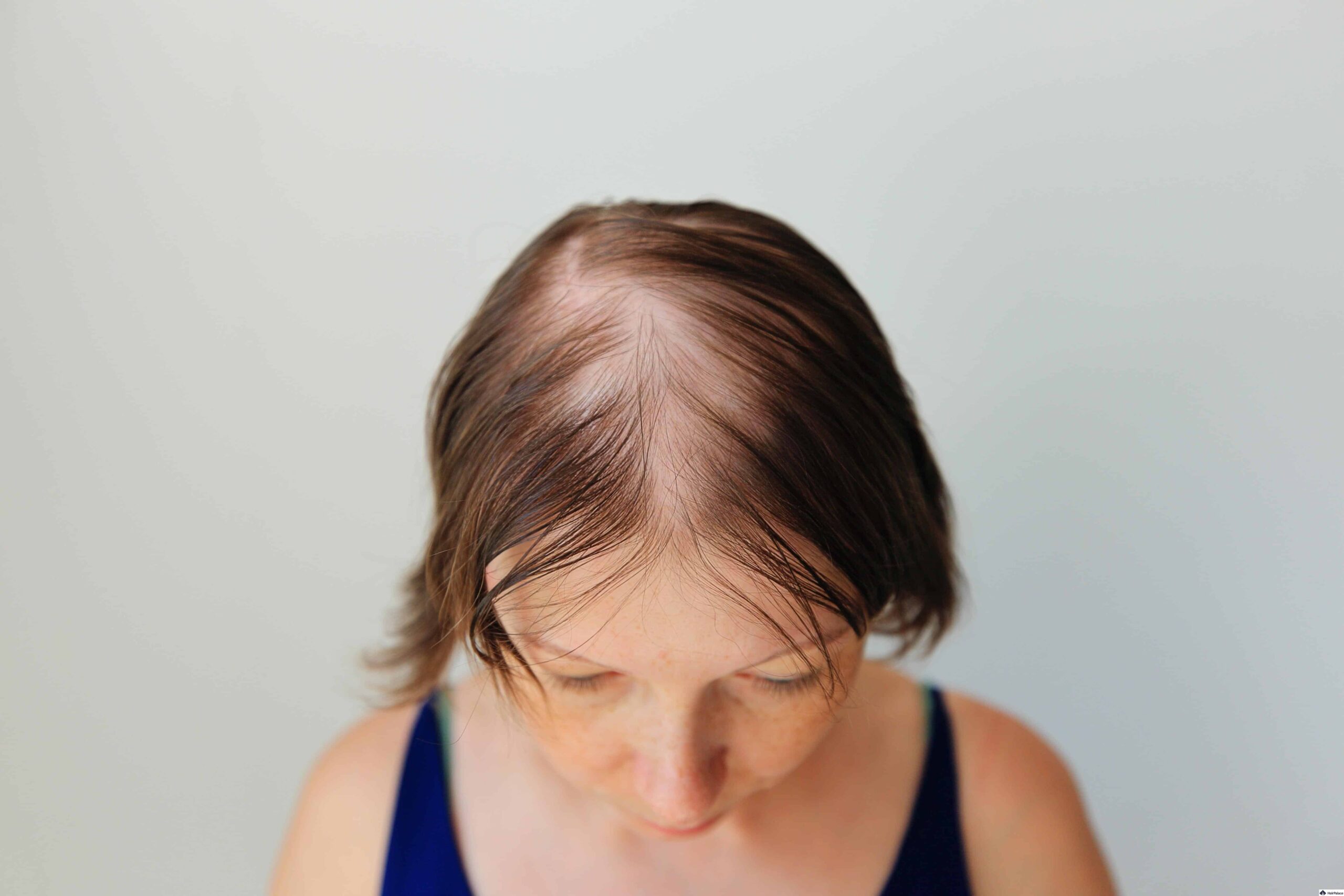
Diffuse Crown Thinning
Overall reduced density at the crown, common in female pattern loss.
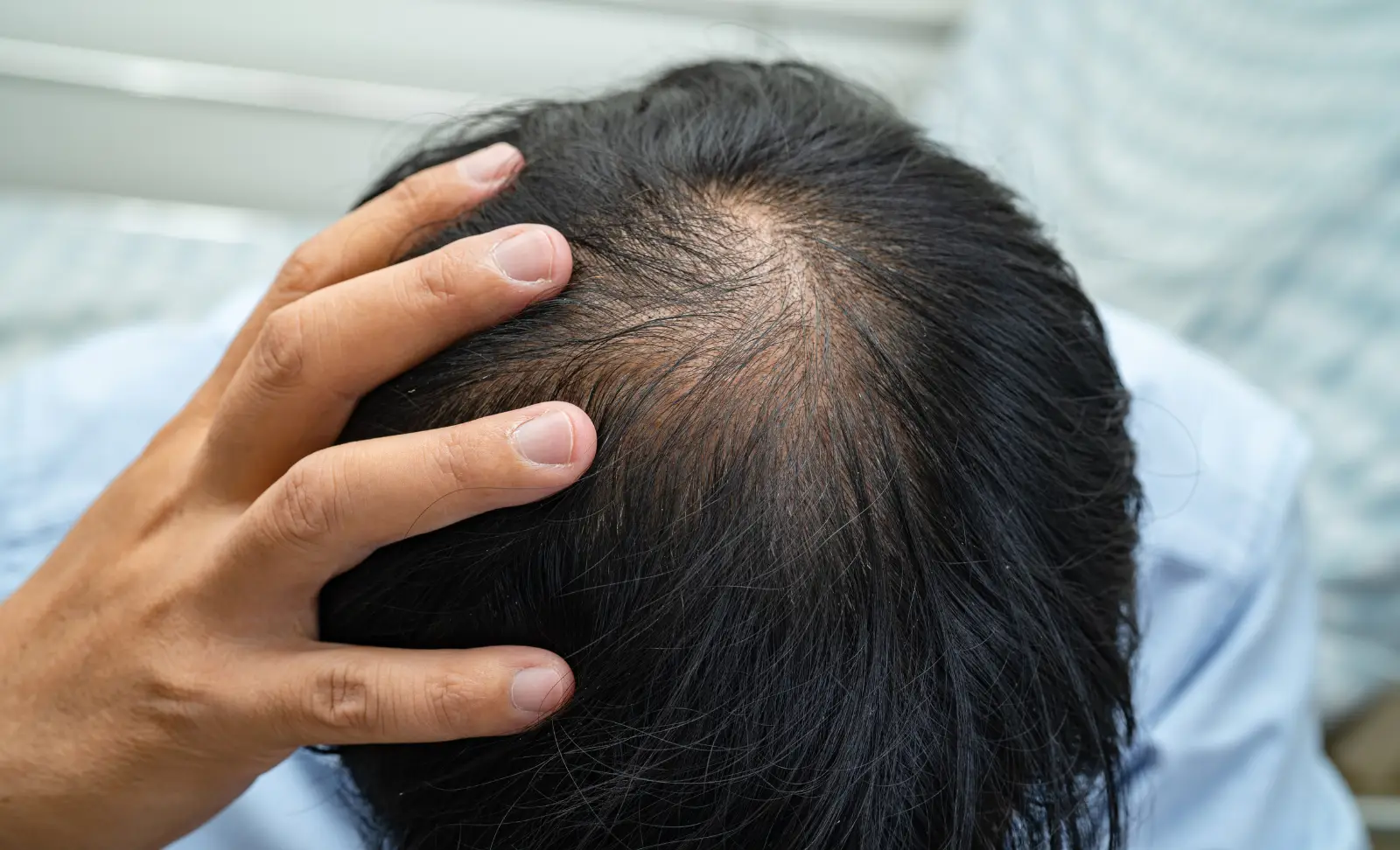
Early Miniaturisation
Hairs becoming finer and shorter before visible thinning — the ideal time to treat.
Science, led by compassion.
Our pattern-loss philosophy rests on four pillars — listening to your concerns, assessing the stage of loss, treating early and precisely, and maintaining your density over time.
Listen
Every journey starts with your story — history, lifestyle, and what you've already tried.
Assess
An in-depth scalp and hair analysis — cause, stage, and any underlying factors.
Treat
A personalised plan combining the most effective, evidence-based options for you.
Care
Ongoing support, home-care guidance, and follow-ups — because results are a relationship.
Slow the loss, protect the density you have.
The goal is to stabilise loss and improve density. We combine proven medical therapies with regenerative options, matched to your stage.

Medical Therapy
Dermatologist-prescribed DHT-blocking and follicle-stimulating treatments, tailored to you.
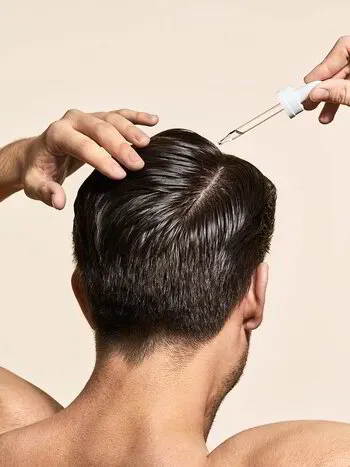
Minoxidil Therapy
Topical or oral minoxidil prolongs the growth phase and thickens existing hair.

GFC / PRP Therapy
Growth factors re-energise miniaturising follicles and reduce shedding.

Hair Transplantation
For areas already lost, FUE relocates permanent follicles for natural, lasting density.
From consultation to confident results.
Every Aliva journey follows a calm, considered path — no shortcuts, no surprises. Here's what to expect.
Consultation
An unhurried conversation about your concerns, history, and goals.
Analysis
A detailed scalp and hair examination and, where needed, blood work.
Personal Plan
A treatment plan built around your hair, your budget, and your timeline.
Treatment
Gentle, structured sessions delivered by experienced practitioners.
Maintenance
Ongoing support, home-care, and follow-ups to protect your progress.

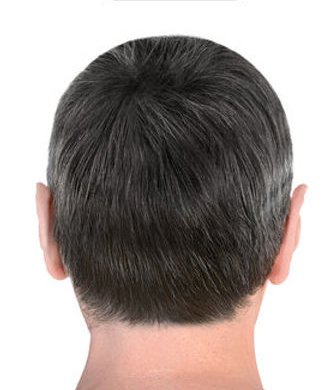
Representative result · combined therapy · 6 months
Real progress, worth the patience.
Hair care isn't magic — but steady, science-backed treatment delivered with care produces visible, lasting change. Most clients begin noticing improvements within the first few weeks of a tailored plan.
- Stabilised hair loss halting or slowing the progression.
- Thicker existing hair as miniaturising follicles are supported.
- Improved density in early and moderate cases with consistent treatment.
- A long-term plan to protect your hair as the pattern would otherwise advance.
Vijayawada's trusted name for pattern hair loss.
Behind every treatment is a team, a philosophy, and a standard. Here's what makes the Aliva experience different.
Board-Certified Dermatologists
Every treatment is supervised by a qualified dermatologist — no shortcuts, no delegation.
Advanced Technology
State-of-the-art devices — chosen for safety, efficacy, and scalp compatibility.
Personalised Care
No two scalps are alike. Every plan is tailored to your cause, history, and comfort.
Warm, Never Clinical
Calm interiors and staff trained in empathy — because excellence needs a human touch.
Transparent Pricing
Clear costs upfront, honest timelines, and no pressure beyond what you need.
Follow-Up & Education
We walk you through home-care and lifestyle changes that protect your results.

Pattern loss, guided by trusted expertise.
Our Chief Doctor, Dr. Yasmeen Shaik, manages pattern hair loss with a focus on early, evidence-based intervention. With 15+ years in trichology, she helps clients protect density before follicles are lost for good.
Every consultation is unhurried. We assess your stage, set honest expectations about what treatment can achieve, and build a long-term plan — no jargon, no pressure.
What Our Clients Say
Your questions, answered honestly.
Here are the questions we hear most often about androgenetic alopecia. If yours isn't here, our team is always happy to talk.
There's no permanent cure, but it can be effectively managed. Proven treatments slow or stop the loss and often improve density — and for areas already bald, transplantation offers a permanent solution.
As early as possible. Treatment protects the follicles you still have; once a follicle is fully lost, it can't be revived without a transplant. Early action gives the best results.
No. Androgenetic alopecia affects women too, usually as a widening part-line and overall crown thinning rather than a receding hairline. We treat both.
Most are well tolerated. Some medical therapies have potential side effects we discuss fully and monitor for. Every plan is doctor-supervised and matched to your health.
Usually, yes — because the underlying genetic sensitivity continues. Stopping treatment generally allows the loss to resume. We'll explain your specific outlook honestly.
They serve different roles. Medication protects and improves existing hair; transplantation restores areas already bald. Many clients benefit from a combination, which we'll plan together.
Your journey to protected density starts with a conversation.
Book a personalised pattern-loss consultation. We'll assess your stage and build a proven plan to slow the loss and rebuild your confidence.
Find your way
to Aliva Aesthetics.
Step into our clinic for a calm, considered, and deeply personal aesthetic experience.
Andhra Pradesh 520008